The Art of Understated Elegance: A Deep Dive into the Hermès Herbag 31 in Cuivre, Ecru, and Beige
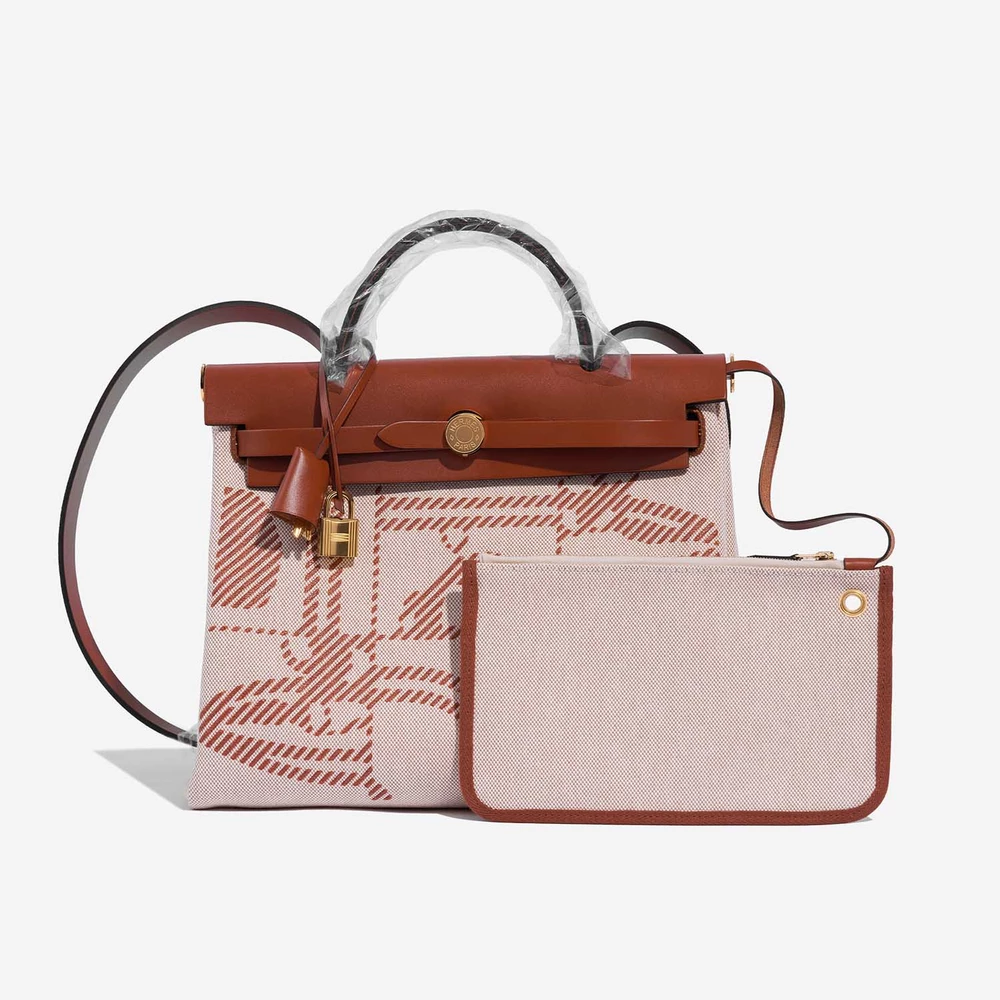
In the pantheon of luxury accessories, few names command the reverence and intrigue of Hermès. While the Birkin and the Kelly are the undisputed icons, celebrated for their status and investment value, there is a quieter, more bohemian sibling that often captivates the true connoisseur: the Hermès Herbag. Specifically, the Herbag 31 in the harmonious tri-colour combination of Cuivre, Ecru, and Beige Toile with Vache Hunter Leather represents a masterpiece of casual luxury—a bag that speaks the language of artistry and heritage without shouting for attention.
To understand this bag is to understand a specific facet of the Hermès philosophy: that true luxury is not always about the rigid structure of a sac à dépêches, but about the texture, the weight, and the interplay of materials. This article explores the history, design, materials, and styling of this particular iteration, revealing why the Herbag 31 in Cuivre, Ecru, and Beige is the perfect accessory for the modern, sophisticated individual.
The Heritage: The Story of the Herbag
Before dissecting the specifics of the Cuivre/Ecru/Beige model, it is essential to appreciate the bag’s origins. The Herbag was introduced in 1998, serving as a more accessible—though by no means "affordable" in the conventional sense—entry point into the world of Hermès. It was designed as a casual, day-to-day bag that retained the house’s impeccable craftsmanship but utilized a canvas body to lighten the load and the aesthetic.
The Herbag is often referred to as the "Kelly’s casual cousin." It borrows the iconic silhouette of the Kelly bag—the trapezoid shape, the two top handles, the front toggle closure, and the shoulder strap—but replaces the rigid, all-leather construction with a canvas body. This design choice immediately positioned the Herbag as a lifestyle bag, intended for the woman or man who wanted the Hermès pedigree without the formality of a structured briefcase.
In 2019, Hermès reintroduced the Herbag with a significant redesign, renaming it the Herbag Zip. This update was crucial. The original Herbag featured a flap that was secured by a strap passing through a metal loop, which required users to undo the strap to open the bag fully. The new Herbag Zip introduced a zippered closure underneath the flap, providing better security and ease of access. This upgrade modernized the bag, making it more practical for everyday use while maintaining its vintage charm.
Deconstructing the Palette: Cuivre, Ecru, and Beige
The magic of this specific Herbag 31 lies in its masterful color palette. Hermès is renowned for its exceptional dyeing techniques and its ability to pair colors in a way that feels both timeless and contemporary. The combination of Cuivre, Ecru, and Beige is a study in earthy elegance.
The Vibrancy of Cuivre
The term "Cuivre" translates from French to "Copper." In the context of Hermès, this is not a garish metallic shade but rather a rich, warm burnt orange with deep terracotta undertones. It evokes the patina of aged copper, the heat of a desert sunset, or the rich hue of autumn leaves. On this Herbag, Cuivre is typically featured on the canvas panels or the leather accents, providing a pop of warmth that anchors the entire design. It is a signature Hermès color—bold enough to be noticed, yet grounded enough to be versatile. This shade adds a layer of warmth to the bag, preventing it from appearing too washed out or sterile.
The Purity of Ecru
Ecru is the color of raw, unbleached linen or silk. It is a soft, off-white shade that sits between a stark white and a pale beige. In the context of this bag, Ecru acts as a neutralizer. It provides a clean, breathable lightness that contrasts beautifully with the deeper tones. In the Cuivre/Ecru/Beige combination, Ecru often serves as the primary background color of the canvas, allowing the other two shades to stand out in relief. It evokes a sense of Scandinavian minimalism meeting French chic—clean, sophisticated, and unpretentious.
The Sophistication of Beige
The Beige in this palette is likely a classic Hermès neutral like "Beige de Weimar" or a similar sandy tone. It sits harmoniously between the lightness of Ecru and the depth of Cuivre. Beige provides the gradient, smoothing the transition between the light and dark elements of the bag. It prevents the contrast from being too jarring, creating a cohesive, monochromatic (though tri-tonal) effect that is extremely pleasing to the eye. This color lends a vintage feel to the bag, reminiscent of safari jackets or classic French military tailoring.
Together, these three colors create a bag that is incredibly versatile. It is neutral enough to pair with a white t-shirt and jeans, yet sophisticated enough to complement a camel wool coat or a silk floral dress.
The Materials: A Tactile Symphony
Hermès is, at its core, a house of leather. However, the Herbag showcases the brand’s mastery over textiles just as effectively. The combination of Toile and Vache Hunter leather offers a tactile experience that is distinct from an all-leather bag.
The Toile Canvas
The body of the Herbag is constructed from a tightly woven, water-repellent canvas known as "Toile." This is not a flimsy fabric; it is heavy-duty, durable, and designed to withstand the rigors of daily life. The weave is dense, giving the bag structure while keeping it lightweight.
The specific Toile used in this colorway is likely the "Toile H" or a similar variant, which features a subtle, woven texture that adds depth to the Ecru and Beige color blocks. The canvas is treated to resist stains and moisture, making it a practical choice for a day bag. This material choice is a nod to Hermès' equestrian roots, where durable fabrics were essential for riding gear.
The Vache Hunter Leather
Where the canvas provides a relaxed, casual foundation, the Vache Hunter leather provides the luxurious contrast. Vache Hunter is a type of leather that is semi-vegetable tanned and drum-dyed. It is known for its smooth, slightly matte finish and its exceptional durability. The name "Hunter" suggests robustness, and true to form, this leather is resistant to scratches and rain.
In this Herbag, Vache Hunter is used for the structural elements: the handles, the base, the straps, the toggle closure, and the interior lining. The Cuivre color is often showcased in this leather, appearing on the handles and the front straps, adding that pop of warmth against the beige and ecru canvas.
The patina development on Vache Hunter is also a joy to watch. Over time, the leather will darken slightly and develop a subtle sheen, making the bag uniquely yours. The contrast between the tactile, woven canvas and the smooth, warm leather is the defining aesthetic feature of this bag.
Form and Function: The Herbag 31 Dimensions and Usability
The "31" in the name refers to the size of the bag, measuring approximately 31 cm in width, 25 cm in height, and 10 cm in depth. This is the Goldilocks size for a day bag—large enough to carry your essentials (a tablet, a small notebook, a wallet, a cosmetic pouch, and a water bottle) but not so large that it becomes cumbersome.
The Herbag Zip 31 features two top handles with a drop of approximately 9 cm, allowing it to be carried elegantly in the hand or on the crook of the arm. It also comes with a detachable, adjustable shoulder strap, which enables crossbody or shoulder wear—a crucial feature for modern, hands-free living.
The interior is lined with the same Vache Hunter leather, providing a luxurious feel every time you open the bag. It features a small, flat pocket on one side and a zippered pocket on the other, offering a degree of organization that is often missing in more minimalist bags. The newly updated turn-lock closure on the front is both beautiful and functional, providing a satisfying tactile experience akin to closing a fine book.
Styling the Herbag 31 in Cuivre, Ecru, and Beige
This color combination is perhaps the Herbag’s greatest asset. It possesses a chameleon-like quality, capable of complementing a wide array of wardrobes and seasons.
Spring/Summer Styling
In the warmer months, this Herbag sings. The Ecru and Beige tones are the epitome of summer chic. Pair it with a flowing white linen dress, a straw hat, and leather sandals for a Mediterranean vacation vibe. The Cuivre accents will pick up the warmth of the sun and complement terra cotta pottery or vibrant bougainvillea. Alternatively, wear it with high-waisted denim shorts, a simple white button-down, and a pair of gold-trimmed sunglasses. The bag acts as an effortless statement that elevates a simple outfit to "Côte d'Azur" status.
Autumn/Winter Styling
As the leaves turn, the Cuivre shade becomes the star of the show. This bag is a natural companion for autumn wardrobes. Pair it with a classic beige trench coat (playing on the beige of the bag), a chunky cream knit sweater, and dark denim. The warm copper tones will echo the changing foliage and the amber light of autumn afternoons. In winter, it sits beautifully against the neutral tones of a cashmere coat—think camel, charcoal, or navy. The texture of the canvas and the rich warmth of the Cuivre handles offer a welcome respite from the starkness of a snowy landscape.
From Day to Evening
While primarily a day bag, the Herbag’s sophisticated silhouette and chic color palette allow it to transition easily into the early evening. Remove the shoulder strap, carry it by the top handles, and it becomes a refined companion for a dinner date or an art gallery opening. Its understated elegance ensures it never looks out of place, even when the dress code leans towards the formal.
The Investment Perspective
Unlike its sibling, the Kelly, the Herbag is not a bag that typically appreciates on the secondary market at the same astronomical rates. However, it offers a different kind of value. It represents the entry-level price point for a new Hermès handbag, making it a tangible goal for those who want to own a piece of the legendary maison's history.
The durability of the Toile and Vache Hunter combination means that this bag is built to last a lifetime. It is a "forever" bag in the truest sense. Moreover, the Herbag is unique in that Hermès occasionally offers interchangeable canvas covers, allowing you to change the look of your bag. While this particular Cuivre/Ecru/Beige combination is currently released as a fixed design, the concept of interchangeability adds a layer of functionality that is rare in luxury goods.
In terms of availability, the Herbag can be more readily found in Hermès boutiques than the Quota Bags (Birkin and Kelly), though it is still subject to the brand’s infamous production limits. It is a bag that you can walk in and request, though the specific colorways will vary by season. This particular tricolor offering is a standout, making it a highly desirable acquisition for collectors and first-time buyers alike.
Conclusion: More Than Just a Bag
The Hermès Herbag 31 in Cuivre, Ecru, and Beige Toile with Vache Hunter Leather is more than just an accessory; it is a statement of personal style. It says you value heritage and craftsmanship over flashy logos. It says you appreciate the tactile beauty of materials and the subtlety of a well-edited color palette.
It captures the essence of Hermès—the marriage of function and beauty, the respect for tradition, and the quiet confidence of those who know true luxury is found in the details. Whether you are navigating a busy city street, enjoying a leisurely weekend brunch, or jetting off to a new destination, this Herbag promises to be a faithful, stylish, and utterly timeless companion. It is the perfect bridge between the rigid structure of the past and the relaxed, fluid demands of modern life—a true work of art in canvas and leather.


Comments
Post a Comment